
Wall Paneling: A Timeless Approach to Adding Depth and Character to Your Home
Wall paneling has been used for centuries, yet it continues to feel relevant in today’s homes. As homeowners move away from flat, uniform drywall and toward spaces with more depth and character, paneling has re-emerged as a thoughtful way to introduce architectural detail. Whether subtle or statement-making, paneling adds a sense of intention to a space. In this guide, we’ll explore what wall paneling is, where it works best, and why it remains a lasting choice in well-designed homes.
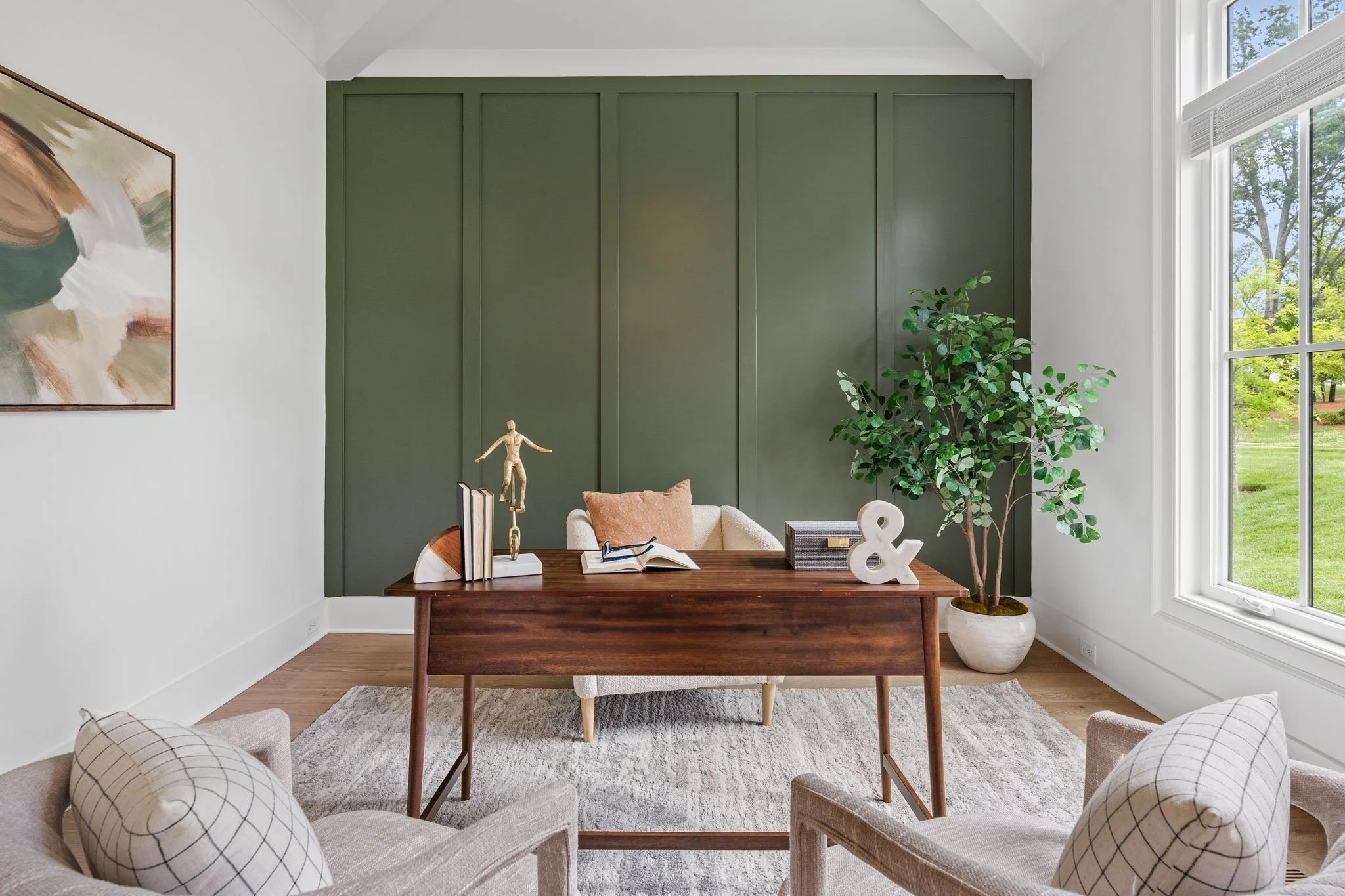
What Is Wall Paneling?
Wall paneling refers to wood or composite materials applied to walls to create dimension and architectural interest. It can feel structural or decorative, depending on how it’s designed and installed, and ranges from subtle detailing to more bold applications. Paneling can be used on a single feature wall, or can cover an entire room. Compared to standard drywall, paneling introduces depth, establishes proportion, and feels integrated with the architecture of the home rather than applied to it, resulting in a space that feels more layered and intentional.
When installing paneling, the spacing, scale, and alignment of each element play a significant role in how the finished space looks and feels. Depending on how it’s executed, paneling can feel traditional, minimal, modern, or rustic. A narrower spacing and simplified profile may lean more contemporary, while wider panels or more detailed molding can feel classic.
There is also a lot of flexibility in how wall paneling can be finished. Natural wood brings warmth, while painted finishes can soften or sharpen the overall look, pairing especially well with earth tones, deep and moody colors, and soft neutrals.
Thoughtful design ensures that paneling aligns with the scale of the room, transitions cleanly at corners and openings, and works in harmony with other elements like cabinetry, trim, and flooring. These details may seem subtle, but they are what ultimately make the difference between an update that feels lasting and one that doesn’t.
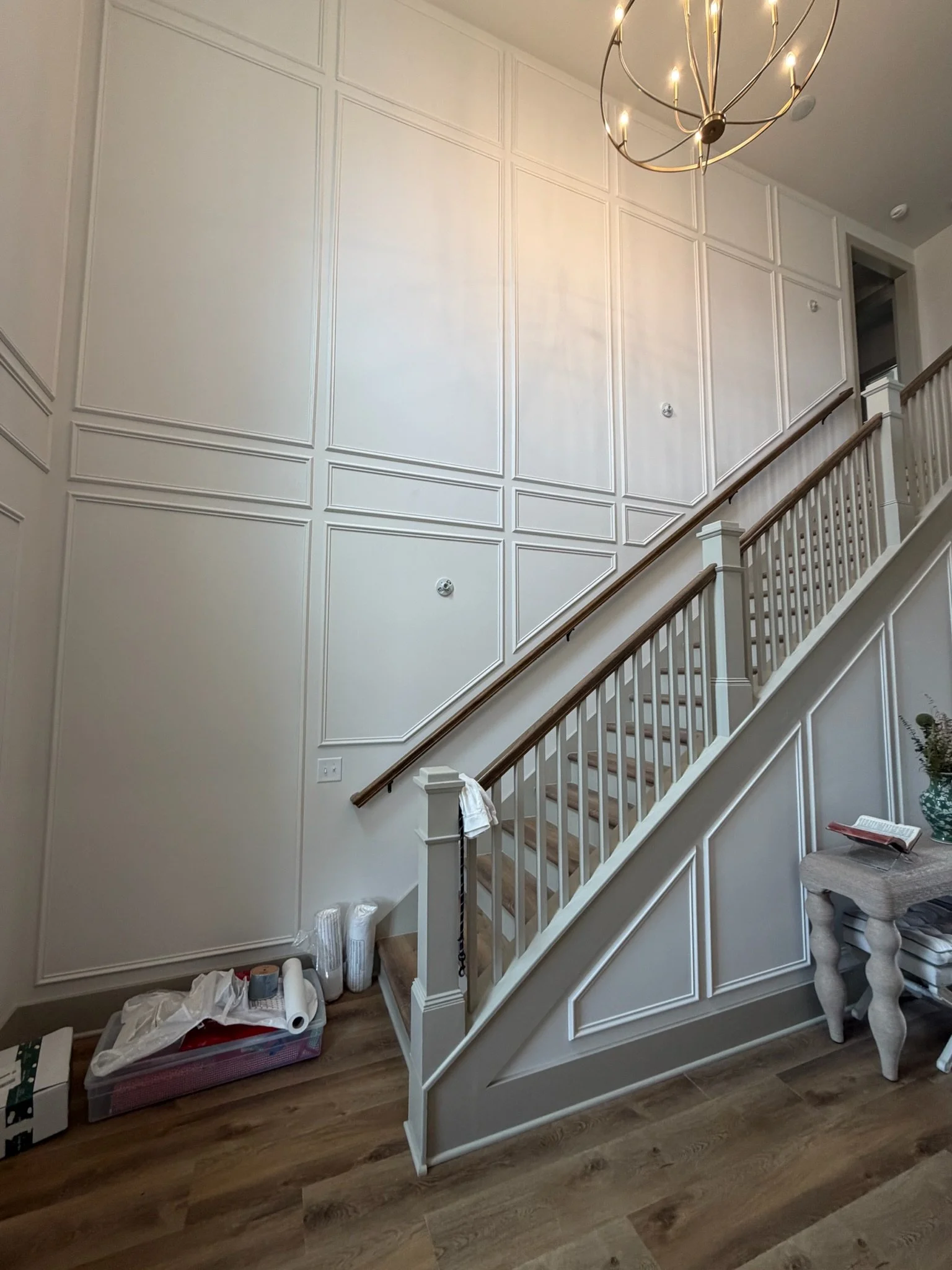
Where Paneling Works Best in the Home
Paneling is versatile, but it tends to have the most impact in spaces where a sense of structure or warmth is needed.
Living Rooms and Main Spaces
In shared living areas, paneling adds visual structure without overwhelming the room. It pairs naturally with built-ins and other millwork, helping the space feel cohesive and grounded.
Bedrooms
Paneling is often used behind beds or across full walls to create a sense of enclosure and calm. Its texture adds interest while still allowing the space to feel restful and understated.
Entryways and Hallways
Transitional spaces often benefit from added detail. Paneling can bring interest to otherwise overlooked areas and make narrower spaces feel more intentional.
Home Offices
In workspaces, paneling adds depth without distraction. It creates a structured, design-forward environment while maintaining a sense of focus.
Paneling as a Thoughtful Home Upgrade
Paneling introduces structure, warmth, and depth in a way that feels current but classic, creating an living space that feels both refined and lived in. It can be a great way to elevate and refresh the look of your home without requiring a full renovation. When applied intentionally, it becomes a lasting element that supports the overall design of a home.
Considering Paneling for Your Home?
If you’re in the Nashville area and interested in incorporating custom millwork or architectural details into your home, schedule a consultation to explore how we can bring your vision to life. From wall treatments to full-scale renovations, our approach is always rooted in craftsmanship, intention, and the way you live.